Depression
Title: The Depression Learning Path
Author: Clinical Depression UK
Book page : 102 pages
Synopsis :
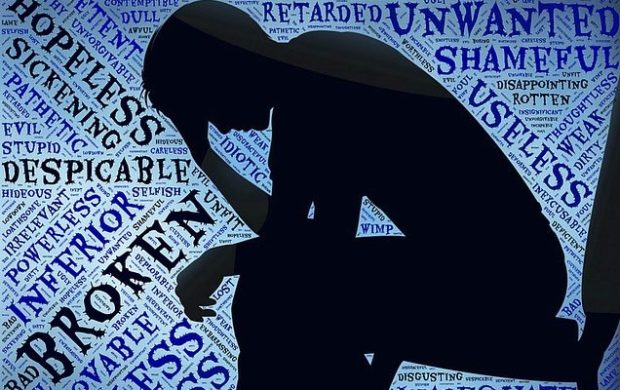
We are sharing this information with you because when we use it with our depressed patients, it is incredibly effective at helping them get rid of their depression. That's why we ask you to stick with us right through the Learning Path even though an hour of reading may seem daunting right now. Here's a bit of feedback to motivate you! One of the biggest obstacles to beating depression is the huge amount of inaccurate information in both popular cultures and, amazingly, the medical profession. Therefore, a lot of what you read in the Learning Path may challenge your existing ideas about depression. By taking the Learning Path you will:
- Learn the truth about antidepressants, and the truth about how effective they are.
- Find out what a major US government study recommends for the treatment of depression - the results may astound you, especially if you've seen a doctor or counselor.
- Protect yourself from damaging forms of therapy and counseling, and learn how to find a good therapist.
- Understand how depression works - it often makes people feel much better right away.
- Discover what you can do to help lift your own depression.
That’s all the synopsis of The Depression Learning Path. At this time, I will share the signs of depression, typical symptoms of depression, causes of depression and teenage depression. I’ll share many parts of this book every weekend. So if you interesting about depression, stay tune on my blog, guys J
Starting with the signs of depression, I will take you on a journey during which you will learn astounding, revolutionary and vital facts about clinical depression. The aim is to give you up-to-date information on depression and what the research says is the best treatment
Have I Got Signs of Depression?
If you have been feeling down, or out-of-sorts, your thoughts can easily turn to whether you are depressed or not. This first section will take you through the signs of depression and how depression is diagnosed. However, whether you 'fit' the depression diagnosis or not is unimportant. If you are feeling so down that you need to do something about it, that is enough.
Usually, the signs of depression are:
- Exhaustion on waking
- Disrupted sleep, sometimes through upsetting dreams
- Early morning waking and difficulty getting back to sleep
- Doing less of what they used to enjoy
- Difficulty concentrating during the day
- Improved energy as the day goes on
- Anxious worrying and intrusive upsetting thoughts
- Becoming emotional or upset for no particular reason
- Shortness of temper, or irritability
least some of these will probably ring true with you.
Typical Symptoms of Depression
Although it is often classed as 'mental illness', clinical depression often has as many physical symptoms as mental. The feelings or emotions that are depression symptoms actually begin to cause the physical effects. How this happens is a vital part of understanding depression and the symptoms that come with it. If you are depressed at the moment some of the following symptoms may sound familiar:
- You feel miserable and sad.
- You feel exhausted a lot of the time with no energy.
- You feel as if even the smallest tasks are sometimes impossible.
- You seldom enjoy the things that you used to enjoy-you may be off sex or food or may 'comfort eats' to excess.
- You feel very anxious sometimes.
- You don't want to see people or are scared to be left alone. Social activity may feel hard or impossible.
- You find it difficult to think clearly.
- You feel like a failure and/or feel guilty a lot of the time.
- You feel a burden to others.
- You sometimes feel that life isn't worth living.
- You can see no future. There is a loss of hope. You feel all you've ever done is make mistakes and that's all that you ever will do.
- You feel irritable or angry more than usual.
- You feel you have no confidence
Causes of Depression
There are 3 main points of view about the causes of depression. Most commonly held is the
view that it is generally some combination of these three.
1. Depression is a medical disease, caused by a neurochemical or hormonal imbalance.
2. Depression is caused by certain styles of thinking.
3. Depression is a result of unfortunate experiences
Teen depression, or bad moods?
Depression in adolescents may be difficult to spot because sulkiness, irritability, antisocial behavior
, negativity and withdrawal often go hand in hand with growing up.
In younger children, depression may present as morbid preoccupation with death and dying.
The child may exhibit extreme fear of being separated from a parent or parents and lose interest
in participating in games with other children.
As you progress through the Learning Path, you will come to understand clinical depression in a
way that allows you to see how children and teens become depressed, just as adults do,
and how their depression can be treated in a similar way.
Children and teenagers can been taught specific skills and ways of thinking which can a) help lift
with remarkable results. You will learn more about this as you continue.
Symptoms of Teenage Depression
As well as showing many of the same symptoms of adult depression, some symptoms of
teenage depression are:
• A downward trend in performance at school or college
• Change in personal hygiene and appearance
• Destructive and/or defiant behavior
• Hallucinations or unusual beliefs
• Appetite or weight has changed considerably (has lost or gained a substantial amount
of weight)
• May appear restless, agitated (pacing, wringing hands) or has slowed down (e.g.,
spends hours staring in front, finds it hard to move)
• Has lost a lot of energy, complains of feeling tired all the time
• Complaints of feeling guilty or worthless ('everything is my fault', 'I am bad')
• Belief that life is not worth living
Causes of Teenage and Childhood Depression
In addition to those found in adult depression, causes of teen and childhood depression, or
apparent triggers, include additional and often unique situations.
• Social rejection
• Family turmoil
• Failing exams
That's part of the summary about depression from The Depression Learning Path book. Next week I will share about the cycle abou depression, thinking styles, the physical effect of depression and depression control. So, don't forget to visit my blog next week! J

Thank you for sharing great information!
BalasHapusGood information
BalasHapusThanks for information very helpful
BalasHapusthis information helps for people who are depressed. Nice.
BalasHapuswow nice infoo
BalasHapusYour explanation is very clear😊 Thank you very much for sharing this too us
BalasHapusKomentar ini telah dihapus oleh pengarang.
BalasHapusThis writing is very good, i found something that i didn't know to know. Like various types of depression, I think depression is almost like a disturbed soul, but even though a lot of things like feeling insecure are also included in depression. Thank you very much, the writing is very helpful:)
BalasHapusYour choice of book is really deep. Wish that it wasn't because it reflects your current condition, just kidding :D Thanks for sharing!
BalasHapusgood choice the tittle of this book is make me interest with this book. is this book make us more respect with the indication of depression?
BalasHapusNice book and nice review. Now I know how to diagnose the depression, when and how it arises.
BalasHapusThat's a very good explanation about the depression, it's really really useful for every people who's ever feel depressed and get out from it. Thank you for writing this kind of blog!
BalasHapus